
Finding the Best AEO and GEO Service Provider Before Everyone Else Catches On
A couple of years ago, almost nobody outside a small circle of search nerds had heard of AEO or GEO. Now, if you’ve been paying even a little attention to how people search these days, you’ve probably noticed something’s shifted. Fewer people are scrolling through ten blue links anymore. More are typing a direct question into a chat-style assistant and taking whatever comes back at face value. That shift is exactly why businesses have started hunting for the best AEO service provider and the best GEO service provider they can find — often for the very first time.
If those two acronyms still sound like alphabet soup, you’re not behind. Most people, agencies included, are figuring this out in real time.
What AEO and GEO Actually Mean, in Plain English
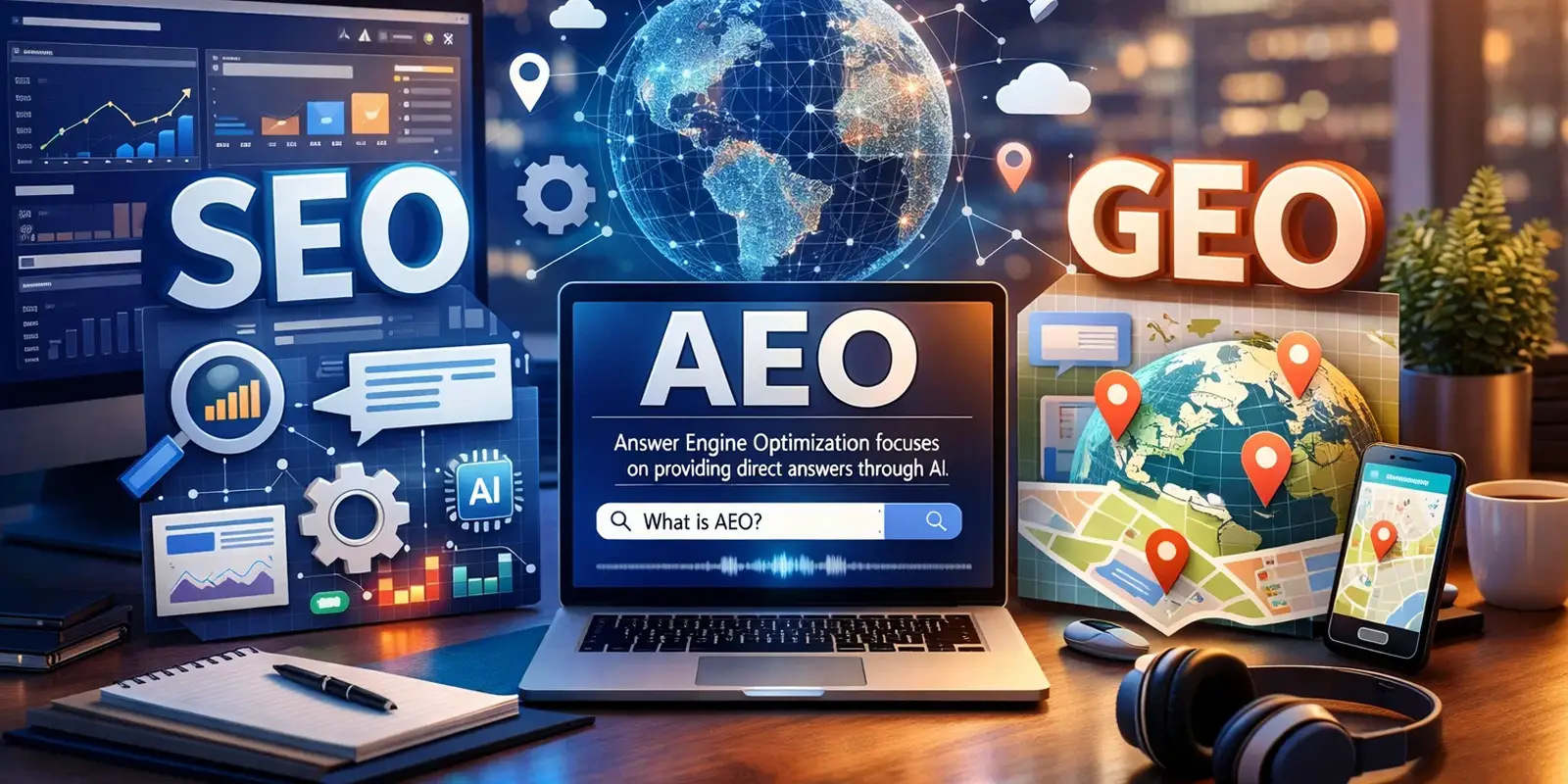
AEO — Answer Engine Optimization — is about structuring your content so it directly answers the question someone’s asking, in a format that’s easy for search tools and voice assistants to pull straight from the page. Think clear, direct answers near the top, not buried three paragraphs deep after a long-winded intro nobody asked for.
GEO — Generative Engine Optimization — is the newer, broader cousin. It’s about making sure your brand actually gets mentioned when someone asks a chat-based tool a question, and that the mention is accurate and puts you in a good light. That’s a different game than classic SEO, because you’re no longer chasing a ranking position — you’re trying to earn a spot inside someone else’s generated answer.
Both matter more with each passing month. And both call for a fairly different skill set than the keyword-stuffing SEO playbook from a decade ago.
Why This Isn't Just Regular SEO in a New Outfit
It’s tempting to assume that if your SEO is already solid, the rest will just fall into place. Sometimes that’s partly true. But there are real differences worth knowing about:
- Answer-driven tools tend to favor content that’s well-structured, factual, and easy to lift straight from the page — clear headers, direct answers, numbers that are easy to quote.
- These tools often pull from a wide mix of sources, including forums and reviews, not just your own website.
- Mentions of your brand across the web — not just backlinks — increasingly shape whether you show up in a generated answer at all.
- Traditional ranking signals still count, but they’re no longer the whole story.
This is part of why more businesses are looking for agencies that treat AEO and GEO as their own discipline, rather than bolting them onto an old SEO checklist as an afterthought. It’s the kind of forward-looking work outfits like DOMKaizen have been building directly into their strategy, instead of treating it as a side project.
What to Look for in a Provider
Because this space is still so new, a lot of agencies are figuring it out right alongside their clients — which makes it worth being a little choosy. A provider actually worth hiring should be able to:
- Explain plainly how search behavior is shifting in your specific industry
- Show real examples of content restructured for answer-first formatting
- Track whether your brand is genuinely being referenced in generated responses, not just guess and hope
- Blend this work into your existing SEO rather than replacing it wholesale
Be wary of anyone who guarantees placement inside a generated answer. Nobody controls that outright, and claiming otherwise says more about the pitch than the results.
Why Getting In Early Matters
Here’s the thing about being early to a shift like this one: the businesses adapting now tend to have an easier time staying visible later, simply because fewer competitors are figuring it out at the same pace. Waiting until this becomes standard practice means playing catch-up from behind, instead of building an early lead.
If you’re trying to figure out where your brand currently stands in this changing landscape, it’s worth talking to a team that’s already thinking this way. DOM Kaizen’s approach to blending traditional SEO with newer answer-focused and generative-focused strategy is exactly the kind of forward-looking work this moment calls for.
Quick Inquiry
FAQs
What's the real difference between AEO and GEO?
AEO focuses on structuring content to directly answer specific questions for search tools and voice assistants. GEO is broader — it’s about how your brand gets referenced across generated responses on multiple platforms.
Do I still need traditional SEO alongside AEO and GEO?
Yes. Traditional SEO fundamentals like site structure, backlinks, and page speed still matter — AEO and GEO build on that foundation rather than replacing it.
How long does it take to see results?
It varies, but most businesses start noticing shifts within three to six months, since these tools update how they source and cite content on their own schedules.
Can any SEO agency handle AEO and GEO work?
Not automatically. It calls for a different approach to content structure and brand visibility tracking, so it’s worth asking specifically about a provider’s experience here rather than assuming it’s covered under general SEO.